
Sports Eyewear Buying Tips | A Complete Guide to Performance, Protection, and Comfort
Sports eyewear plays a crucial role in enhancing both performance and eye safety, yet it is often overlooked when people prepare for physical activities. Whether you are training outdoors, competing in sports, or enjoying recreational swimming, the right eyewear can significantly improve clarity, comfort, and protection. In a sunny and humid environment like Singapore, choosing high-quality sports eyewear becomes even more important.
This guide covers essential sports eyewear buying tips to help you make an informed decision when selecting sunglasses or swimming glasses that meet your sporting needs.
Why Sports Eyewear Is Essential for Active Lifestyles
Unlike regular eyewear, sports eyewear is designed to withstand movement, impact, and environmental exposure. During sports activities, your eyes are constantly exposed to sunlight, wind, water, sweat, and debris. Poor quality eyewear can cause glare, fogging, discomfort, or even long-term eye damage.
Sports eyewear improves visual accuracy, reduces eye strain, and protects your eyes from harmful UV rays. For athletes and active individuals, clear vision directly translates to better reaction time and overall performance.
Choosing Sports Eyewear Based on Your Activity
Different sports place different demands on eyewear, so understanding your primary activity is the first step in choosing the right pair.
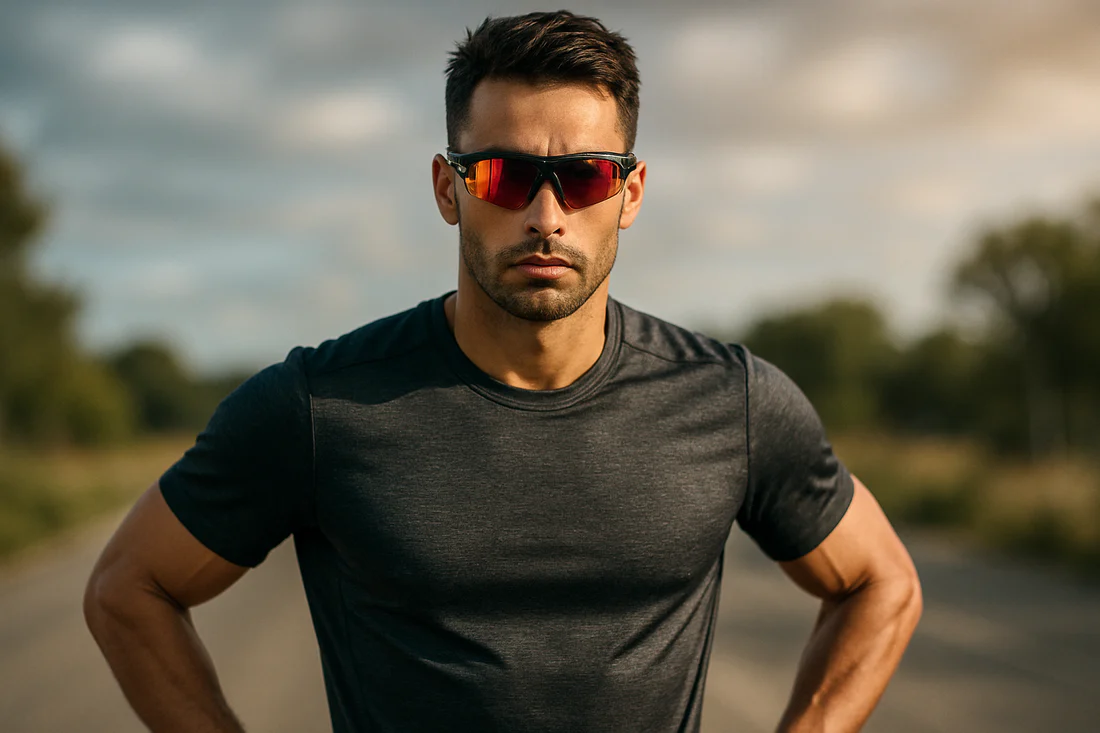
Outdoor sports such as cycling, running, hiking, and golf require high-performance sunglasses that provide excellent sun protection and stability. These sunglasses should stay firmly in place during movement and offer wide coverage to block peripheral glare.
For aquatic activities, swimming glasses are essential. They are designed to provide underwater clarity, prevent water from entering the eyes, and maintain comfort during extended use. Whether you are training competitively or swimming recreationally, the right swimming glasses will help you maintain focus and confidence in the water.
Lens Technology and Why It Matters
The lens is the most important component of any sports eyewear. High-quality lenses enhance visibility while protecting your eyes from environmental hazards.
UV Protection
Always ensure your sports eyewear offers 100% UVA and UVB protection. Continuous exposure to ultraviolet rays can increase the risk of eye fatigue, cataracts, and long-term vision damage. This is particularly important for outdoor activities in Singapore’s tropical climate.
Polarized Lenses
Polarized lenses are highly recommended for sports sunglasses, as they reduce glare reflected from surfaces such as water, roads, and sand. This improves contrast and visual clarity, making them ideal for cycling, running, and water-based sports.
Anti-Fog Performance
Fogging is a common issue, especially for swimming glasses and eyewear used in humid environments. Anti-fog coatings help maintain clear vision by preventing condensation on the lens surface, ensuring uninterrupted performance.
Selecting the Right Lens Color
Lens color affects how your eyes perceive contrast, brightness, and depth.
Darker lenses such as grey reduce brightness without altering natural colors, making them suitable for bright outdoor conditions. Brown or amber lenses enhance contrast and depth perception, which is useful for sports that require precise visual judgment. Clear lenses are best for low-light or indoor sports, while mirrored lenses offer additional glare reduction in strong sunlight.
Choosing the correct lens color enhances comfort and reduces eye strain during extended use.
Comfort and Fit: The Key to Long-Term Wear
Even the most advanced sports eyewear will underperform if it does not fit properly. Comfort and stability are essential, especially during high-movement activities.
Sports eyewear should fit snugly without causing pressure points. Wrap-around frames offer better coverage and stability, while adjustable nose pads and rubberized temple tips help prevent slipping due to sweat or water.
For swimming glasses, a proper seal around the eyes is critical. The goggles should sit comfortably without pressing too hard on the eye sockets, and the strap should be adjustable to ensure a secure fit without discomfort.
Eyewear designed for Asian facial structures often provides a better fit for users in Singapore, improving comfort and reducing slippage.
Frame Materials and Durability
Sports eyewear must be both lightweight and durable. High-quality materials ensure long-lasting performance while remaining comfortable during extended use.
Polycarbonate lenses are commonly used in sports eyewear because they are impact-resistant and lightweight. Flexible frame materials, such as TR90, offer durability while adapting to facial movement. For swimming glasses, soft silicone seals provide comfort and prevent leaks without causing irritation.
Durable materials not only improve performance but also increase the lifespan of your eyewear.
Managing Sweat, Water, and Ventilation
Sports eyewear should be designed to perform in challenging conditions. Poor ventilation can cause lenses to fog, while inadequate grip can lead to slippage during intense activity.
Look for designs that promote airflow and feature moisture-resistant coatings. Rubberized contact points that improve grip when wet are especially useful in Singapore’s humid climate. These features ensure stable positioning and clear vision, even during high-intensity workouts.
Prescription Sports Eyewear Options
If you require vision correction, there are sports eyewear options that cater to prescription needs without compromising performance.
Many sports sunglasses offer prescription-compatible lenses or inserts that provide clear vision while maintaining impact resistance and UV protection. Similarly, prescription swimming glasses allow swimmers to see clearly underwater without relying on contact lenses.
These options make sports eyewear accessible to individuals with vision requirements.
Caring for Your Sports Eyewear
Proper care is essential to maintain the performance and lifespan of your eyewear.
Always rinse swimming glasses with clean water after use to remove chlorine or salt. Avoid wiping lenses when dry, as this can cause scratches. Store your eyewear in a protective case and use a microfiber cloth for cleaning to preserve lens coatings.
Good maintenance ensures consistent performance and long-term value.
Why Quality Sports Eyewear Is Worth the Investment
While cheaper options may seem appealing, they often lack proper UV protection, durable materials, and effective lens technology. Investing in premium sports eyewear provides better eye protection, improved comfort, and enhanced performance over time.
High-quality sunglasses and swimming glasses are designed to meet the demands of active lifestyles, making them a worthwhile investment for both recreational users and serious athletes.
Frequently Asked Questions (FAQs)
1. What makes sports eyewear different from regular eyewear?
Sports eyewear is designed for impact resistance, stability, and environmental protection, making it suitable for active use.
2. Are polarized sunglasses good for sports?
Yes, polarized sunglasses reduce glare and improve visual clarity, making them ideal for outdoor sports and water activities.
3. How do I prevent swimming glasses from fogging?
Choose swimming glasses with anti-fog coating and avoid touching the inside of the lenses.
4. Can I get prescription sports eyewear?
Yes, many sports sunglasses and swimming glasses are available with prescription options.
5. How often should I replace my sports eyewear?
Replacement depends on usage and care, but high-quality sports eyewear can last several years with proper maintenance.
Conclusion
Choosing the right sports eyewear is essential for protecting your eyes, improving performance, and ensuring comfort during physical activities. By understanding lens technology, fit, materials, and sport-specific needs, you can confidently select sunglasses or swimming glasses that support your active lifestyle.
Well-chosen sports eyewear not only enhances your experience but also safeguards your vision making it an indispensable part of any athlete’s gear.