
Natural vs Chemical Anti-Fog Solutions for Goggles | What Really Works?
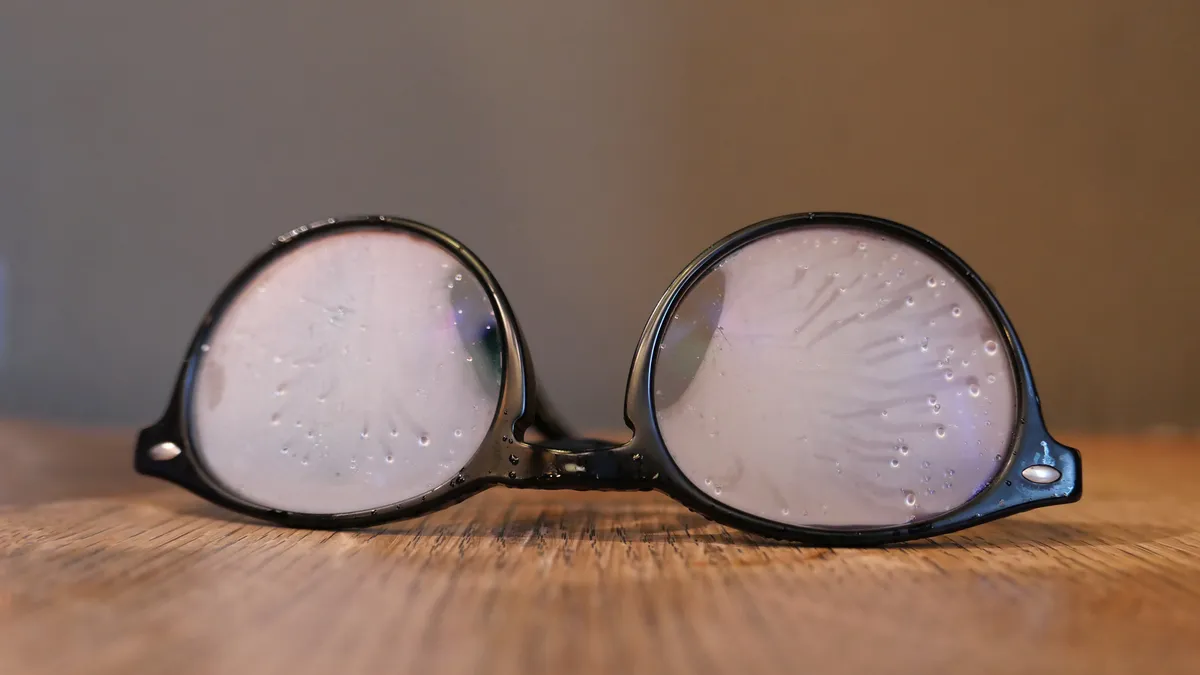
It’s annoying, isn’t it? The moment you leap into the pool or pull on your ski goggles, and after two minutes, you can no longer see your own world. But, instead there is nothing but fog. It spoils the fun, distracts your concentration and even may be a little threatening.
So, what’s the fix? There are two major camps the natural, old-fashion tricks and the contemporary, chemical-free products. In this blog we are going to discuss Natural Vs Chemical Anti-Fog Solutions for Goggles. What really works? Let’s find out.
The Chemical Corner: Anti-Fog Products
That is what you find in any sports store. They are promising a bottle-out-of-this-world crystal clear. And sometimes, they deliver.
Anti-fog Spray and Lotion
Anti-fog spray and anti-fog Lotion are the most popular ones. They are both based on the same principle. You put a very thin, nearly imperceptible coating of chemicals onto the inside of your goggled lenses.
This coating does not prevent the vapor of water to strike the lens. Rather it alters the surface tension of the water. The water is not allowed to form small discrete droplets that light scatter to produce that milky haze as it is done. Rather, it is pushed into a very thin, clear film. When there are no little droplets, there will be no fog. It’s a neat trick of physics.
Pros of Chemical Solutions:
Here are some pros to look at:
- Easy to carry: They are easy to carry in small bottles, which can be thrown into your gear bag.
- Effective: The good brands are actually effective to use, particularly the newer lenses that are not damaged.
- Ready-Made: No preparation or blending is needed.
Cons of Chemical Solutions:
Cost: This cost can increase after a period of time particularly when you swim frequently.
Reapplication: They wear off. You are usually forced to reapply them after every several hours or prior to use.
Ingredients: You need to be cautious what you are spraying around your eyes. There are those individuals who are sensitive to the chemicals. Always check the label.
Brands to Know
In the case of swimming goggles, brands such as swans usually have an inbuilt anti-fog layer when they are produced. In case you want to buy an independent product to clean that coating, you will be shown a variety of specialty products. They come in handy in a hurry but you just cannot use them indefinitely.
The Natural Approach: Cheap, Simple, and Safe
Prior to the arrival of these fancy chemicals, people needed to be creative. As it would turn out, some of the best, safest anti fog techniques can already be found in your kitchen or bathroom. The mechanisms of these solutions also involve alteration of the surface tension of water. However, still using natural and daily materials.
The Spit Trick (Yes, Really)
This is the primeval trick of divers and swimmers. You rub your tongue against the inside of the lenses before you put on your goggles. Next, you gently cleanse the goggles between 1 and 2 times with water. You don’t rub it off.
The saliva that you have contains natural enzymes and proteins which are a mild surfactant, a substance that lowers the surface tension of water. It causes the condensation to be beaded less and to overlay more. Frankly speaking, it is quite effective and absolutely free. You need only be careful to rinse it off, as you will not want an opaque film on it.
Baby Shampoo
It is the most probable and dependable natural alternative that is popular. Baby shampoo is made in such a way that it is non-irritating to the eyes and, this is why it fits well in goggle lenses. How to use it:
- Apply one drop of tear-free baby shampoo on the lenses.
- Rub it all in with a clean soft cloth or your finger around the interior surface.
- Wash the goggles in water, but not too much to take away all the foam, only leaving a thin, transparent film.
- This thin coating of soap works in the same way as the chemicals in an anti-fog product available in the store. It is cheap, safe and you can keep a bottle forever. It is a wonderful anti-fogging solution.
Toothpaste (Use with Extreme Caution)
Many people place their faith in the non-gel, white toothpaste of a dot, the size of a pea. The toothpaste abrasives have the ability to remove built-up grime which is a likely source of the beginning of the fog.
Caution: Toothpaste is abrasive. You can scratch the protective coating on your lenses permanently, though. By rubbing too hard or with the incorrect type (such as the one with the crystal that scrubs). We do not recommend you, unless you have old goggles and you are impatient. Keep on the spit or the shampoo.
The Verdict: Which to Choose?
When we talk about natural vs chemical anti-fog solutions for goggles, the decision really comes down to convenience versus eye safety and cost.
The natural products, particularly the baby shampoo, are the intelligent choice either in day-to-day use or among the children. They are not toxic, not expensive and highly effective. You have the choice of ingredients and you know they will not make your eyes be itchy. Besides, it provides you with the good old mood of solving a problem using a bit of common sense, rather than a purchase.
For Competitive events or the long lasting effect then a quality, brand-name chemical anti-fog spray may provide a competitive edge. All you need to do is to accept the recurring cost and re-apply.
Finally, the two approaches are effective since they both control the physics of water. They both form a thin and protective coat preventing the condensation to become an opaque cloud. So, leave the rest and enjoy you next swimming sessions with ease.
FAQS
Does wiping the lens dry work?
No, absolutely not. Wiping a wet, foggy lens just spreads any oils or grime and actually scratches the lens surface over time, making future fogging worse.
How often should I reapply baby shampoo?
For swimmers, a single light application of baby shampoo usually lasts through one pool session. Reapply it gently before your next swim for the clearest results.
Can I use dish soap instead of baby shampoo?
You can, but dish soap is often stronger and can be harsh on your eyes if not fully rinsed. Baby shampoo is specifically formulated to be tear-free and is the safer option.